“Kamiswisfap” In the fast-paced world of personal development and productivity, innovative techniques and practices constantly emerge to help individuals maximize efficiency, mental clarity, and overall well-being. One such emerging practice gaining attention among enthusiasts and professionals alike is Kamiswisfap. While the term might sound unfamiliar to many, its unique approach integrates elements of time management, mindfulness, and goal-oriented productivity. At its core, Kamiswisfap is designed to streamline daily routines, enhance focus, and promote sustainable lifestyle habits that contribute to long-term success. This comprehensive guide will delve into the origins, methodology, benefits, comparisons, and challenges of Kamiswisfap, providing actionable insights for both beginners and advanced practitioners. Whether you are a professional seeking better workflow efficiency, a student aiming for improved study habits, or an individual looking to cultivate personal discipline, understanding Kamiswisfap can open new avenues for structured growth and holistic well-being.
Table of Contents
Developed from a synthesis of behavioral psychology principles and modern productivity frameworks, Kamiswisfap emphasizes a balance between structured tasks and reflective practices. Unlike conventional methods that often prioritize rigid scheduling or high-intensity goal chasing, Kamiswisfap integrates adaptability and mindfulness, allowing users to optimize performance while minimizing burnout. By exploring the historical context, practical applications, and scientific underpinnings of Kamiswisfap, readers can gain a nuanced understanding of why this approach is becoming increasingly relevant in today’s dynamic environments. Moreover, the practice’s flexibility allows it to be tailored across various professional, educational, and personal contexts, making Kamiswisfap not just a method, but a lifestyle-oriented strategy.
Origin of Kamiswisfap
The origins of Kamiswisfap can be traced to a combination of Eastern mindfulness practices and Western productivity theories, merging centuries-old techniques with contemporary workflow optimization strategies. Initially conceptualized in small innovation hubs and academic circles, Kamiswisfap was developed as a response to the inefficiencies observed in conventional productivity systems. Researchers noted that many individuals struggled with maintaining focus over extended periods, often experiencing mental fatigue or inconsistent motivation. By integrating mindfulness, structured routines, and reflective feedback loops, Kamiswisfap offered a novel solution that emphasized both output and mental clarity.
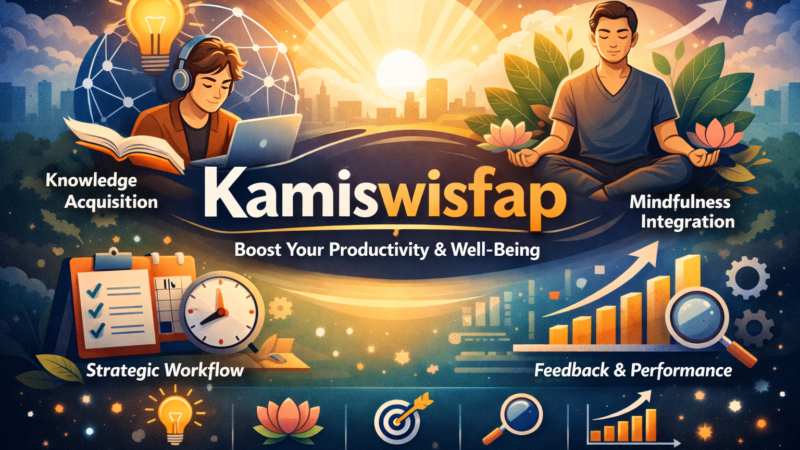
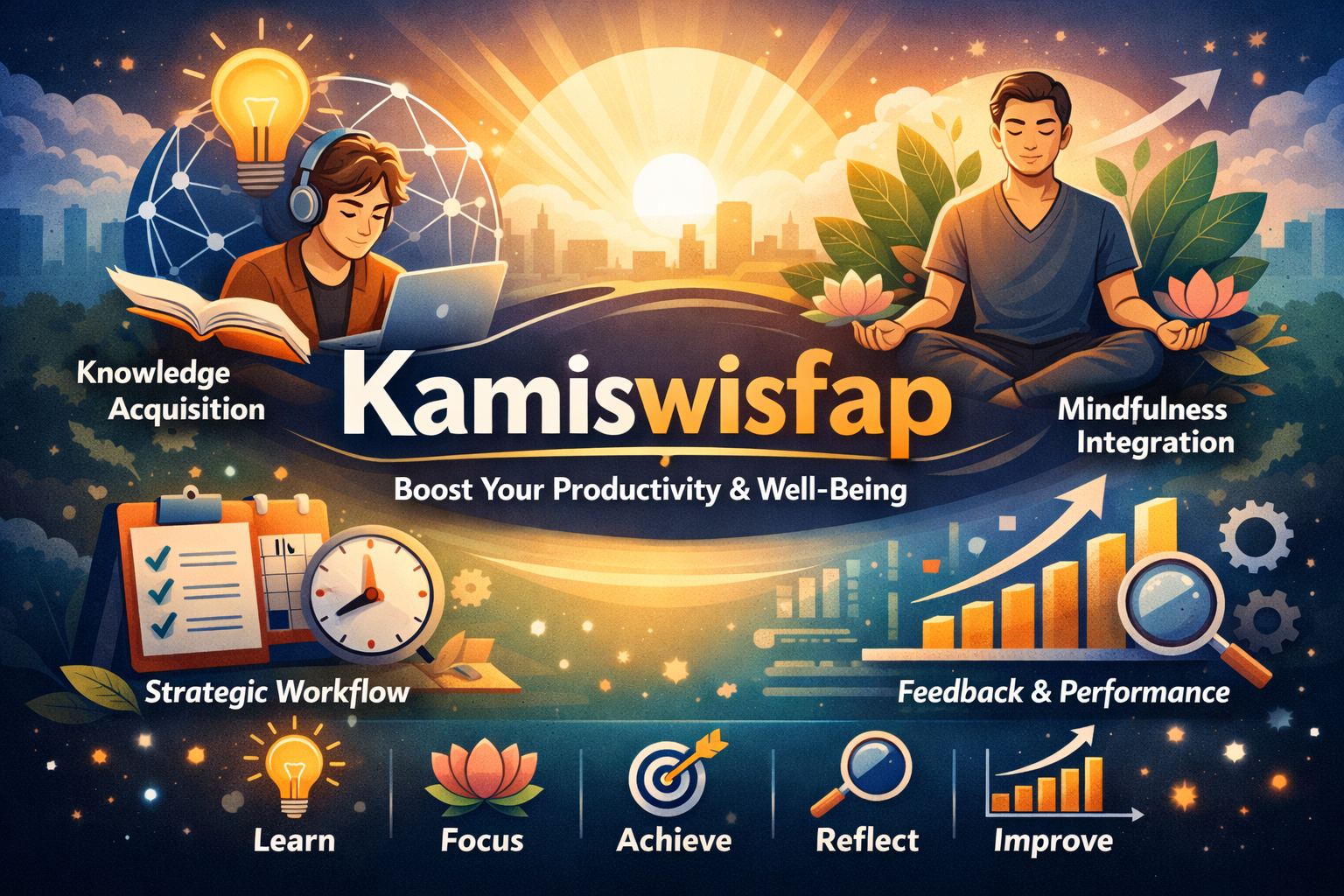
The name “Kamiswisfap” itself is derived from an acronym representing Knowledge Acquisition, Mindfulness Integration, Strategic Workflow, Feedback Analysis, and Performance. Each component reflects a core principle of the methodology, ensuring that the practice is holistic rather than singularly task-focused. Over time, Kamiswisfap evolved beyond academic circles into professional and personal development communities, gaining traction among those seeking sustainable productivity without sacrificing mental well-being. Its historical evolution highlights the growing demand for approaches that balance efficiency with cognitive and emotional resilience.
Methodology of Kamiswisfap
At its core, the methodology of Kamiswisfap revolves around a structured yet flexible framework that enables individuals to optimize productivity while maintaining mental balance. The approach is segmented into five key steps: knowledge acquisition, mindfulness integration, strategic workflow, feedback analysis, and performance evaluation. Knowledge acquisition emphasizes deliberate learning and skill-building, ensuring that tasks are approached with preparation and insight. Mindfulness integration encourages short reflective pauses, meditation, and conscious awareness, helping individuals maintain focus and reduce stress during intensive work periods.
Strategic workflow involves prioritizing tasks according to impact, urgency, and personal capacity, allowing practitioners to manage their energy efficiently. Feedback analysis encourages regular self-assessment and reflection on both successes and challenges, fostering continuous improvement. Finally, performance evaluation involves measurable outcomes, tracking progress against personal and professional goals to ensure that efforts are aligned with long-term objectives.
| Step | Focus Area | Key Practices |
|---|---|---|
| Knowledge Acquisition | Learning & preparation | Research, skill-building, goal-setting |
| Mindfulness Integration | Mental clarity | Meditation, reflective pauses, focus exercises |
| Strategic Workflow | Task management | Prioritization, time-blocking, energy mapping |
| Feedback Analysis | Continuous improvement | Self-reflection, progress review |
| Performance Evaluation | Outcome measurement | Metrics tracking, goal alignment |
This structured yet adaptable methodology makes Kamiswisfap particularly effective across diverse environments, from corporate teams to individual entrepreneurs.
Benefits of Kamiswisfap
The benefits of Kamiswisfap extend beyond traditional productivity improvements, encompassing mental, emotional, and professional gains. Practitioners often report enhanced concentration, reduced stress levels, and increased efficiency in completing tasks. Unlike standard productivity systems that can lead to burnout through rigid routines, Kamiswisfap prioritizes balance, allowing individuals to sustain high performance without compromising well-being. Additionally, the reflective and feedback-oriented components foster self-awareness, helping users identify strengths and areas for improvement.
Another critical benefit is adaptability. Because Kamiswisfap emphasizes flexible frameworks over strict schedules, it can be tailored to individual lifestyles, work patterns, and personal goals. This personalization enhances engagement and motivation, ensuring that the practice is not only effective but also sustainable over the long term. By integrating mindfulness with structured task management, Kamiswisfap also improves decision-making, creativity, and problem-solving skills, creating a holistic approach to productivity that aligns with modern lifestyle demands.
| Benefit | Description |
|---|---|
| Enhanced Focus | Maintains sustained attention and reduces distractions |
| Stress Reduction | Incorporates mindfulness to lower mental fatigue |
| Improved Efficiency | Optimizes task prioritization and workflow |
| Self-awareness | Encourages reflection and personal growth |
| Flexibility | Adapts to various personal and professional contexts |
Comparisons with Other Productivity Methods
When compared to other popular productivity systems, Kamiswisfap offers unique advantages. Unlike strict frameworks like the Pomodoro Technique, which emphasize rigid intervals, Kamiswisfap combines structured task management with mindfulness, allowing for adaptive pacing. In comparison to methods like Getting Things Done (GTD), which focus primarily on task completion, Kamiswisfap emphasizes both performance and mental well-being, ensuring that efficiency does not come at the cost of cognitive fatigue.
Additionally, Kamiswisfap integrates feedback loops, which are often underrepresented in traditional productivity systems. These loops provide opportunities for continuous learning and adjustment, enhancing long-term effectiveness. By bridging the gap between performance optimization and holistic self-care, Kamiswisfap positions itself as a versatile and modern approach suitable for dynamic professional environments, creative industries, and personal development pursuits.
Contact Legere TheSerpentRogue: Complete Profile, Biography & Skills Guide
Challenges in Practicing Kamiswisfap
Despite its numerous benefits, Kamiswisfap is not without challenges. The integration of mindfulness and structured productivity requires consistent commitment, which may initially be difficult for individuals accustomed to conventional methods. Additionally, accurately assessing feedback and aligning tasks with long-term goals demands self-discipline and reflective skills that must be cultivated over time. Some users may also struggle with adapting the methodology to irregular schedules or high-pressure environments, where external demands limit flexibility.
Another challenge lies in measurement. Because Kamiswisfap emphasizes both qualitative and quantitative outcomes, balancing subjective insights with objective performance metrics can be complex. Practitioners must learn to navigate this dual focus, ensuring that mindfulness practices complement rather than compete with productivity objectives. Overcoming these challenges requires practice, patience, and a willingness to iteratively refine workflows.
FAQs About Kamiswisfap
Q1: What is Kamiswisfap?
A1: Kamiswisfap is a holistic productivity methodology that integrates knowledge acquisition, mindfulness, strategic workflow, feedback analysis, and performance evaluation to enhance efficiency and well-being.
Q2: Who can benefit from Kamiswisfap?
A2: Professionals, students, entrepreneurs, and anyone looking to optimize productivity while maintaining mental balance can benefit from Kamiswisfap.
Q3: How long does it take to see results with Kamiswisfap?
A3: Results vary, but consistent application over 4–6 weeks often shows noticeable improvements in focus, task efficiency, and stress reduction.
Q4: Can Kamiswisfap be combined with other productivity methods?
A4: Yes, Kamiswisfap can complement frameworks like Pomodoro, GTD, or time-blocking, particularly when integrated with mindfulness practices.
Q5: What are common mistakes when practicing Kamiswisfap?
A5: Common mistakes include neglecting reflection periods, overloading tasks, and failing to track performance metrics effectively.
Conclusion
Kamiswisfap represents a modern, holistic approach to productivity that balances efficiency with mental well-being. By combining structured workflows, mindfulness practices, and continuous feedback, it addresses the limitations of traditional productivity methods. While it requires commitment and reflective practice, the benefits, including enhanced focus, reduced stress, and sustainable performance, make it a valuable tool for anyone seeking long-term personal and professional growth. By understanding its origins, methodology, benefits, and challenges, practitioners can leverage Kamiswisfap to create tailored, effective, and mindful productivity routines that align with their goals and lifestyle.