Introduction: What Are Fansqingers?
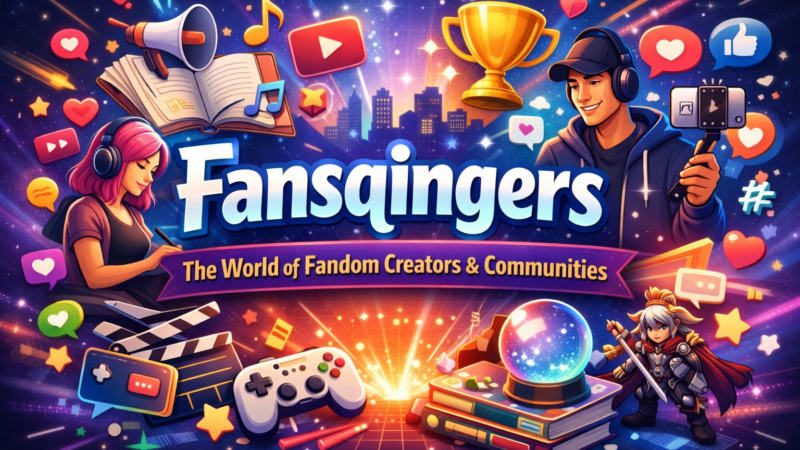
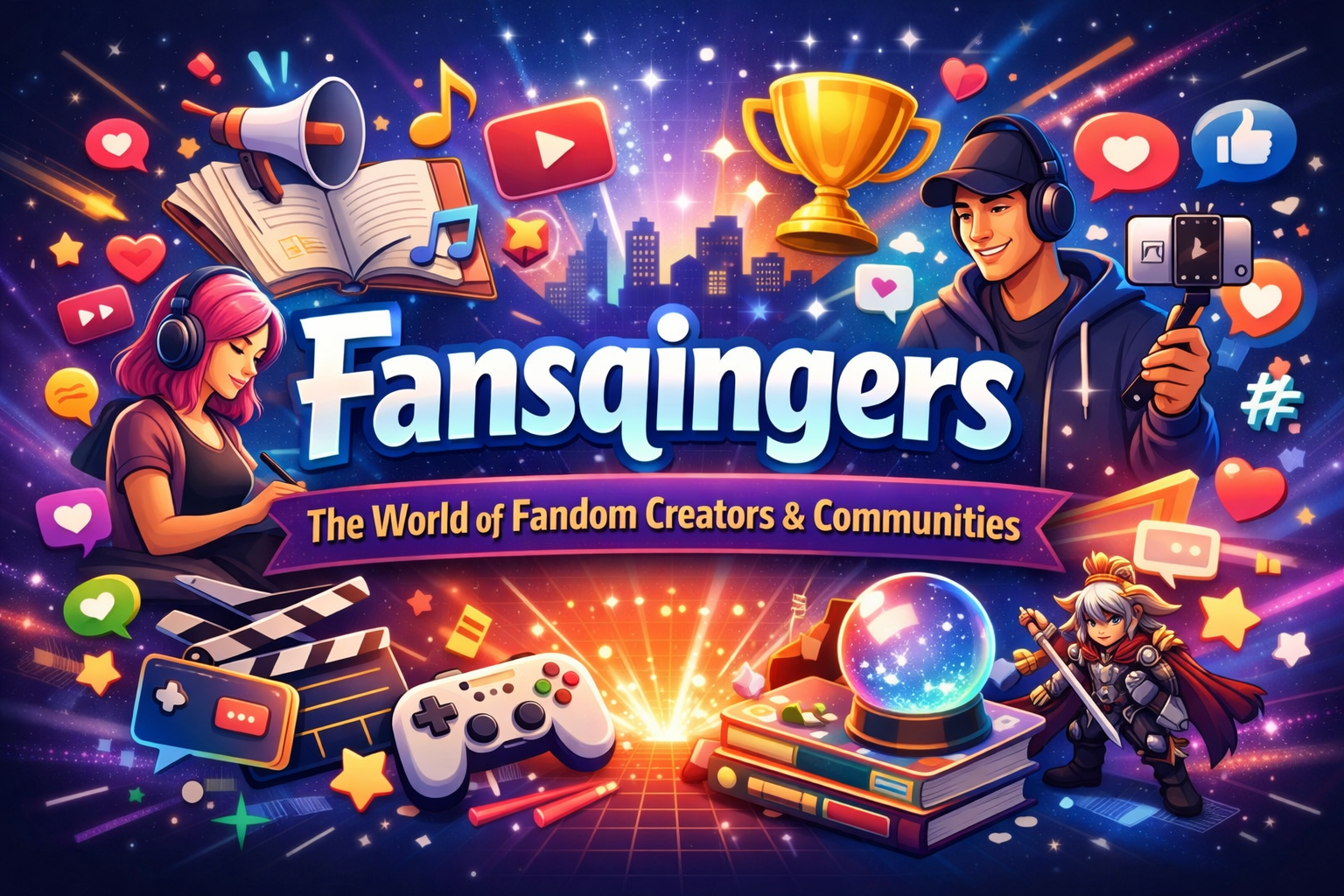
In the ever-evolving world of social media and online communities, a new term has emerged: fansqingers. This concept represents a unique blend of fandom, creativity, and interactive engagement. At its core, fansqingers are individuals who actively share content, support creators, and participate in specialized online communities. While the term may sound unfamiliar to many, its implications are growing in digital spaces, particularly among younger generations and tech-savvy users.
Table of Contents
The rise of fansqingers reflects a larger cultural shift where fans are no longer passive consumers of content. Instead, they actively contribute to the creation, promotion, and discussion of the media they love. This article explores the origins, significance, and impact of fansqingers, as well as the tools and platforms that support their activities.
The Origins of Fansqingers
The concept of fansqingers is rooted in the broader evolution of internet fandoms. Traditionally, fans communicated through forums, fan clubs, and mailing lists. These early platforms provided spaces for discussion, collaboration, and creative expression. With the growth of social media platforms like Twitter, Instagram, TikTok, and others, fandom culture became more dynamic and immediate.
Fansqingers, as a term, emerged to describe fans who go beyond typical fan behavior. They not only consume content but also remix, share, critique, and create original content inspired by their interests. For instance, fansqingers may produce fan art, write fanfiction, make reaction videos, or organize virtual events for their favorite shows, movies, or celebrities.
Key characteristics that distinguish fansqingers include:
- Active participation: Fansqingers are creators, not just consumers.
- Community focus: They thrive in group activities, sharing experiences with like-minded individuals.
- Digital fluency: Their engagement is primarily online, often using multiple platforms simultaneously.
The Role of Fansqingers in Modern Media
Fansqingers play a significant role in shaping modern media landscapes. Their activities influence trends, amplify voices, and even impact commercial success. In many ways, they act as a bridge between creators and larger audiences.
1. Promoting Content
Fansqingers often serve as grassroots marketers. By sharing content and engaging in discussions online, they increase visibility for creators. This can lead to viral moments, trending topics, or increased sales for merchandise, albums, or tickets.
2. Feedback and Interaction
Creators benefit from fansqingers as a source of direct feedback. Comments, reviews, and discussions initiated by fansqingers can help artists, writers, and developers understand what resonates with their audience. This real-time interaction allows creators to adjust their work based on audience preferences.
3. Fostering Community
Perhaps the most important role of fansqingers is community building. They provide a sense of belonging for individuals who share common interests. From dedicated fan forums to group chats and social media threads, fansqingers create spaces where ideas, creativity, and emotions are freely exchanged.
Tools and Platforms Used by Fansqingers
Fansqingers utilize a variety of digital platforms to connect, share, and create. Each platform offers unique features that cater to different types of fan activity.
| Platform | Primary Use Case | Key Features |
|---|---|---|
| TikTok | Short-form creative videos | Video editing, trending sounds, hashtags |
| Visual content sharing | Stories, Reels, DMs, collaborative posts | |
| Discord | Community building and communication | Channels, voice/video chat, bot integration |
| Discussion and niche communities | Subreddits, upvotes, AMA sessions | |
| Twitter/X | Real-time discussion and news sharing | Threads, hashtags, polls, trending topics |
These platforms enable fansqingers to amplify their voice, reach broader audiences, and collaborate with others. The ability to rapidly share content and gain feedback is a defining trait of fansqingers in today’s digital world.
Types of Fansqingers
Fansqingers are not a monolithic group. They can be categorized based on their primary engagement style:
- Creators: These fans produce original content inspired by their favorite media. Examples include fanfiction writers, digital artists, and video editors.
- Amplifiers: Fans who focus on sharing content, promoting creators, and increasing visibility. They are highly active on social media and often organize online campaigns.
- Analysts: Fans who critically engage with content, offering reviews, theories, and discussions. They contribute intellectual and analytical value to fan communities.
- Collectors: These fans focus on memorabilia, digital assets, and exclusive content. Their contributions often involve curating and preserving fan-related media.
By understanding these categories, we can see how diverse and multifaceted the fansqingers community truly is.
The Psychological Impact of Being a Fansqinger
Engaging as a fansqinger has profound psychological and social implications. Participating in fan communities can enhance self-esteem, provide emotional support, and foster a sense of belonging. For many, fansqinging is more than entertainment—it is a source of identity and social connection.
Some key psychological benefits include:
- Sense of belonging: Being part of a fandom creates social connections and friendships.
- Creative outlet: Fansqingers often find a way to express themselves creatively, which can boost mental well-being.
- Empowerment: Actively engaging in content creation and community-building gives fans a sense of agency and influence.
However, there can be challenges as well. Over-involvement may lead to emotional burnout, conflict within fan communities, or unhealthy comparisons to others. Moderation and balance are important for a healthy fansqinger experience.
Economic Influence of Fansqingers
Fansqingers are not only socially influential but also economically significant. Their support can directly impact the success of artists, brands, and media franchises.
| Category | Economic Contribution | Examples |
|---|---|---|
| Merchandise Sales | Purchasing exclusive fan items | T-shirts, collectibles, signed items |
| Content Monetization | Supporting creators financially | Patreon, Ko-fi, Twitch donations |
| Event Participation | Attendance at virtual or physical events | Conventions, meet-ups, live shows |
| Media Promotion | Boosting streams, views, and subscriptions | Viral content, hashtag campaigns |
This table highlights how fansqingers contribute to both creators and industries financially. Companies increasingly recognize the power of these fans and often design marketing strategies around their engagement.
Challenges Faced by Fansqingers
Despite their positive influence, fansqingers face several challenges:
- Online Harassment: Active fan communities can sometimes become toxic, with arguments and cyberbullying affecting participants.
- Content Overload: The sheer volume of content produced can be overwhelming, making it hard to stand out or feel valued.
- Platform Dependence: Fansqingers often rely heavily on platforms that control visibility and engagement through algorithms. This can limit their reach and influence.
- Intellectual Property Issues: Creating derivative works may raise legal concerns, as not all fan content is officially sanctioned by creators.
Understanding these challenges is crucial for anyone looking to engage in fansqinging responsibly.
The Future of Fansqingers
The concept of fansqingers is still evolving, and the future promises exciting developments. Some potential trends include:
- Virtual and Augmented Reality Communities: Fans may interact in immersive digital worlds, creating new levels of engagement.
- NFTs and Digital Collectibles: Fansqingers could gain ownership over unique digital assets related to their favorite content.
- Collaborative Creation Platforms: Tools that allow fans to co-create media with official creators may become more widespread.
- Increased Recognition by Brands: Companies may actively seek fansqingers for marketing campaigns, beta testing, and feedback loops.
The evolution of fansqingers highlights the growing intersection between technology, creativity, and community.
Conclusion
Fansqingers represent a new era of fandom where engagement, creativity, and community converge. They are active participants, content creators, amplifiers, and collectors who shape the way media is consumed and appreciated. Their influence spans cultural, social, and economic realms, making them a key part of modern media ecosystems.
The rise of fansqingers illustrates that fans are no longer passive spectators but integral contributors to the media they love. As technology continues to advance, the role of fansqingers will only grow, fostering innovative ways for people to connect, create, and celebrate shared passions.
Jynx200120022002: Meaning, Origin, Digital Identity & Online Presence Explained
Frequently Asked Questions (FAQs)
1. Who can be a fansqinger?
Anyone with a passion for a particular media, celebrity, or creative work can become a fansqinger. Active participation and content sharing are key traits.
2. What platforms are best for fansqingers?
Popular platforms include TikTok, Instagram, Twitter/X, Reddit, and Discord. Each offers unique tools for content creation and community interaction.
3. How do fansqingers impact media industries?
Fansqingers influence trends, boost content visibility, provide feedback, and contribute financially through merchandise and digital support.
4. Are there any risks to being a fansqinger?
Yes. Challenges include online harassment, content overload, dependence on social media algorithms, and potential intellectual property issues.
5. What is the future of fansqingers?
The future may involve virtual communities, digital collectibles like NFTs, collaborative platforms, and greater recognition by brands and creators.