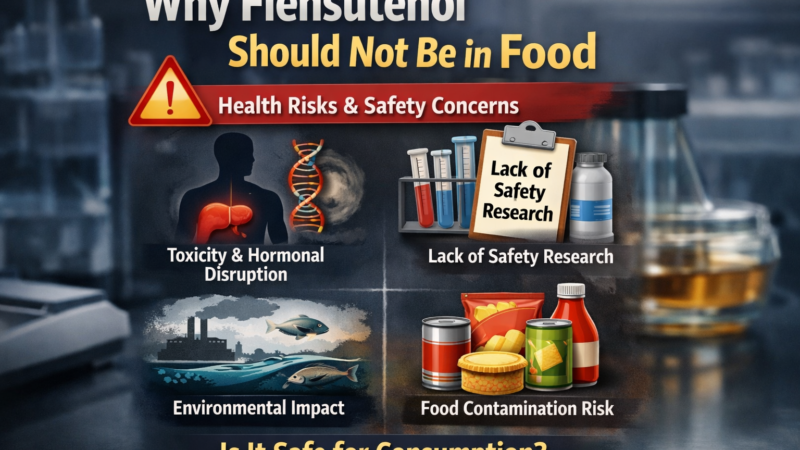
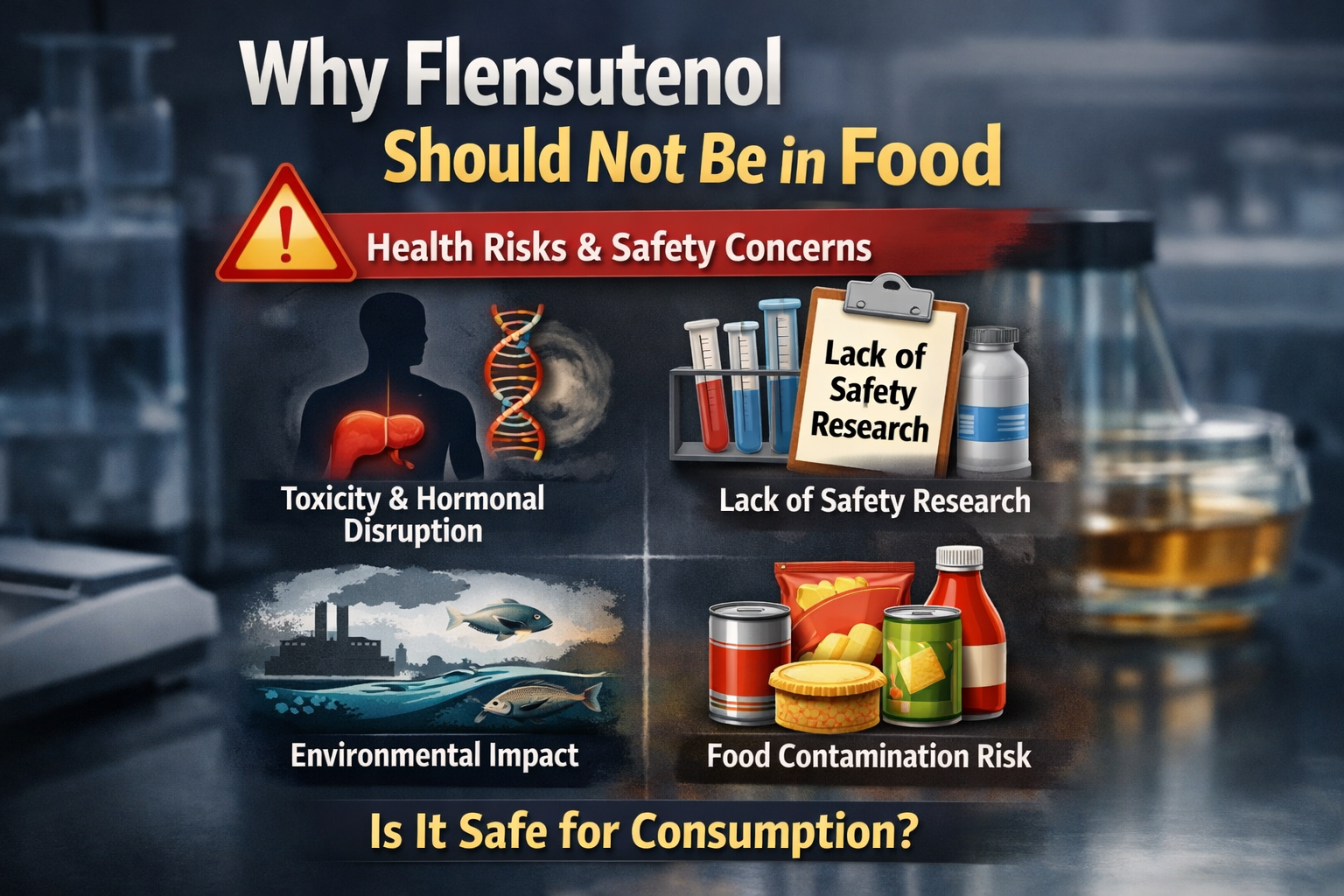
“why flensutenol should not be in food.” Food safety is one of the most critical concerns in modern nutrition and public health. Consumers today are increasingly aware of what goes into their meals, from artificial additives to chemical preservatives. Recently, discussions about why flensutenol should not be in food have been growing online, raising questions about potential health risks and safety standards.
Table of Contents
But what exactly is flensutenol, and why are experts warning against its presence in food products? In this comprehensive guide, we’ll explore the potential dangers, scientific concerns, regulatory perspectives, and safer alternatives. By the end of this article, you’ll have a clear understanding of why flensutenol should not be in food and how to make safer dietary choices.
Understanding Flensutenol
Flensutenol is often described in discussions as a synthetic chemical compound that may be associated with food processing or contamination scenarios. While it is not widely recognized as an approved food ingredient, the compound has raised concern due to its potential toxicity and unknown long-term effects.
Key Characteristics of Flensutenol
| Feature | Description |
|---|---|
| Chemical Type | Synthetic compound |
| Possible Sources | Industrial processing or contamination |
| Approval Status | Not widely approved for food use |
| Health Concerns | Potential toxicity and metabolic disruption |
| Regulatory Attention | Under scrutiny in food safety discussions |
Because of these uncertainties, experts emphasize why flensutenol should not be in food, especially in consumer products meant for daily consumption.
Why Flensutenol Should Not Be in Food
There are several important reasons why health professionals, researchers, and food safety advocates warn against the presence of this compound in food.
1. Potential Toxicity
One of the primary reasons why flensutenol should not be in food is the risk of toxicity. Chemicals that are not specifically approved for consumption can interfere with biological processes in the human body.
Possible toxic effects may include:
- Cellular damage
- Disruption of metabolic pathways
- Increased oxidative stress
Even small amounts of certain synthetic compounds can accumulate over time, potentially leading to long-term health consequences.
2. Lack of Safety Research
Another major issue is the limited scientific research on flensutenol’s effects on human health.
Before any substance is approved for food use, it must undergo extensive testing that evaluates:
- Short-term toxicity
- Long-term health effects
- Cancer risk
- Effects on children and pregnant individuals
Because such research is limited or unavailable for flensutenol, food safety authorities emphasize caution. This lack of evidence is a significant reason why flensutenol should not be in food products.
3. Possible Hormonal Disruption
Some synthetic compounds behave similarly to endocrine disruptors, meaning they interfere with hormones that regulate vital body functions.
Hormonal disruption can affect:
- Growth and development
- Fertility
- Immune response
- Metabolism
If flensutenol interacts with hormonal systems, it could pose serious risks to vulnerable populations such as children and pregnant individuals.
4. Risk of Bioaccumulation
Another concern is bioaccumulation, which occurs when a substance builds up in the body over time faster than it can be removed.
This process can lead to:
- Chronic health conditions
- Organ damage
- Increased toxicity over years of exposure
Because of this possibility, experts often highlight why flensutenol should not be in food, particularly in processed foods consumed regularly.
5. Potential Environmental Impact
Food additives and contaminants do not just affect humans—they can also impact ecosystems.
If flensutenol enters the environment through food waste, manufacturing runoff, or packaging disposal, it could affect:
- Soil quality
- Water systems
- Wildlife health
Preventing such chemicals from entering the food chain is a key step toward environmental sustainability.
Health Risks Associated With Flensutenol
While research remains limited, scientists and food safety analysts have identified several potential health risks associated with exposure.
Possible Health Effects
| Health Area | Potential Impact |
|---|---|
| Digestive System | Irritation or inflammation |
| Liver Function | Possible metabolic strain |
| Nervous System | Neurological sensitivity |
| Hormonal Balance | Endocrine interference |
| Immune System | Reduced immune efficiency |
These risks contribute to growing concerns about why flensutenol should not be in food, especially in products marketed to families.
How Flensutenol Could Enter Food Products
Understanding how this compound might appear in food helps explain why strict regulation is necessary.
1. Industrial Contamination
Manufacturing environments sometimes involve multiple chemical compounds. If proper safety protocols are not followed, cross-contamination may occur.
2. Packaging Materials
Certain chemicals can migrate from packaging into food products, especially when exposed to heat or long storage periods.
3. Processing Additives
In some cases, unapproved chemicals may be mistakenly used during processing or preservation.
4. Supply Chain Issues
Complex global food supply chains can increase the risk of contamination at various stages, including production, storage, and transportation.
These scenarios highlight the importance of strict food safety standards and explain why flensutenol should not be in food supply chains.
Regulatory Concerns and Food Safety Standards
Food safety authorities worldwide follow strict guidelines when approving substances for human consumption.
Before a compound can be used in food, regulators typically require:
- Toxicology studies
- Human safety trials
- Environmental impact assessments
- Manufacturing standards
Because flensutenol lacks clear approval in most food safety frameworks, experts stress caution regarding its presence in food products.
Regulatory agencies usually follow the precautionary principle, meaning that if a chemical’s safety cannot be confirmed, it should not be used in food.
Consumer Awareness: Why It Matters
Consumers play an important role in maintaining food safety by staying informed about ingredients and potential risks.
How Consumers Can Protect Themselves
- Read ingredient labels carefully
- Choose reputable food brands
- Avoid suspicious additives
- Support transparency in food production
- Stay updated on food safety news
Understanding why flensutenol should not be in food empowers consumers to make healthier choices for themselves and their families.
Safer Alternatives in Food Processing
Instead of potentially harmful compounds, the food industry can use safer alternatives that have been thoroughly tested.
Examples of Safer Options
- Natural preservatives such as vinegar or salt
- Plant-based antioxidants
- Approved food-grade stabilizers
- Modern cold-processing technologies
These methods help maintain food quality without introducing potentially dangerous chemicals.
The Importance of Transparent Food Labeling
Transparency in food labeling allows consumers to understand exactly what they are eating.
Clear labeling should include:
- Full ingredient lists
- Processing information
- All additives and preservatives
Without transparency, harmful substances could go unnoticed in the food supply. This is another key reason why flensutenol should not be in food production.
Scientific Responsibility in Food Innovation
Innovation in food technology is important, but safety must always come first.
Responsible food science involves:
- Rigorous testing
- Independent research
- Public transparency
- Regulatory compliance
Without these safeguards, new compounds could pose unexpected health risks.
Public Health Perspective
From a public health standpoint, preventing unsafe chemicals from entering the food supply protects entire populations.
If potentially harmful substances are widely consumed, they could lead to:
- Increased healthcare costs
- Chronic illness trends
- Long-term public health challenges
This broader perspective further explains why flensutenol should not be in food, especially in mass-produced products.
Future Research and Monitoring
Although concerns exist, more scientific research is needed to fully understand flensutenol and similar compounds.
Future studies may focus on:
- Toxicological analysis
- Long-term exposure effects
- Environmental impact
- Detection methods in food systems
Until such research confirms safety, experts recommend avoiding the compound entirely in food production.
Also read… 6v5m4xw Explained: Meaning, Uses, and Why People Are Searching It
Conclusion
Food safety depends on strict regulation, scientific research, and informed consumer choices. The concerns surrounding why flensutenol should not be in food highlight the importance of precaution when dealing with unapproved or poorly understood chemical compounds.
Potential toxicity, lack of research, possible hormonal disruption, and environmental risks all contribute to the argument against its presence in food products. Until comprehensive studies prove its safety—which has not yet been established—keeping flensutenol out of the food supply remains the safest and most responsible approach.
By supporting transparent labeling, safe food processing practices, and strong regulatory standards, consumers and industry leaders can work together to maintain a healthier and safer food system.
FAQs About Why Flensutenol Should Not Be in Food
1. What is flensutenol in food?
Flensutenol is described as a synthetic chemical compound that has raised concerns regarding its potential presence in food due to possible toxicity and lack of safety approval.
2. Why do experts say flensutenol should not be in food?
Experts warn against it because of possible health risks, limited scientific research, and the absence of regulatory approval for human consumption.
3. Can flensutenol cause health problems?
While research is still limited, potential risks may include toxicity, metabolic disruption, and hormonal interference.
4. How can flensutenol enter the food supply?
It could enter through industrial contamination, packaging materials, processing errors, or supply chain issues.
5. What should consumers do if they are concerned about food additives?
Consumers should read labels, choose reputable brands, stay informed about food safety issues, and support transparent ingredient disclosure.